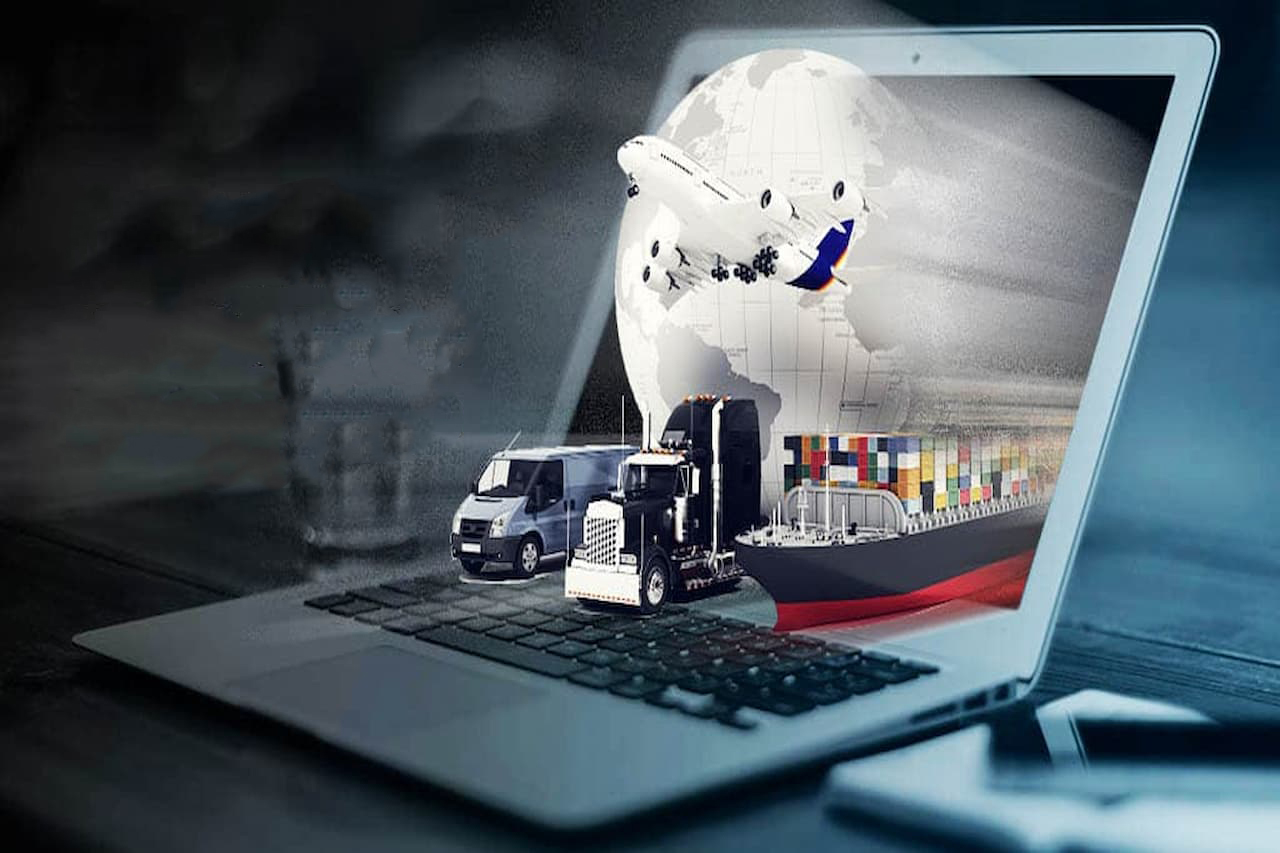
Business logistics websites offer digital platforms where companies can book shipments, track deliveries, manage accounts, compare rates, and access support resources through centralised online interfaces. www.deliveree.com logistics websites provide self-service tools replacing phone calls and emails for routine transportation tasks. These web portals streamline shipping operations through automated processes.
The account dashboard shows
Dashboard consolidation places all logistics information in a single location. This stops details from being scattered across emails and phone calls. It also avoids the need to check separate systems for shipment or billing information.
- Shipment history compilation – Complete records display all past deliveries with dates, tracking numbers, destinations, costs, and status outcomes accessible for review anytime
- Active tracking visibility – Current shipments in transit show real-time locations, progress updates, estimated arrivals, and any delays affecting delivery timing
- Invoice access centralisation – Billing statements become available digitally for download, review, or forwarding to accounting departments without requesting copies through customer service
- Performance metric displays – Performance metric displays show the rates at which deliveries succeed. They also provide information about the average time items take to reach their destination. In addition, these metrics reveal spending patterns which help businesses understand trends in logistics performance over time.
- Document storage capability – Document storage capability allows proof-of-delivery photos to be saved digitally. Signed receipts and shipping documents can also be stored in the same way.
Price calculation tools
Instant quoting systems provide cost estimates before booking commitments happen. Users input shipment parameters, receiving automatic rate calculations based on distance, weight, vehicle type, and service speed. Comparison displays show pricing differences between service options, like economy versus express delivery. Surcharge transparency reveals additional costs for special requirements before surprises appear on final invoices. Volume discount indication shows rate improvements available at higher monthly shipping levels. Historical pricing comparisons reveal cost trends over time. Customised rate tables display contract pricing for business accounts with negotiated rates. Calculator tools help estimate costs for potential shipments during planning phases.
Service area coverage
Coverage information prevents wasted time requesting quotes for locations outside service areas while helping businesses plan logistics around actual available services rather than assumptions about where delivery options exist.
- Geographic zone maps – Visual displays show which regions receive service, helping businesses determine whether specific delivery addresses fall within coverage territories
- Delivery time estimates – Expected transit durations appear for different city pairs, letting businesses set customer expectations or plan inventory arrivals accurately
- Vehicle availability indicators – Information reveals which truck sizes operate in particular areas, ensuring appropriate equipment exists for planned cargo before booking
- Operating hour details – Service schedules clarify pickup and delivery windows in different locations, accounting for regional variations in business hours or access restrictions
- Expansion announcements – Updates communicate when new service areas become available, potentially opening opportunities for businesses considering market expansion into previously unserved regions
These support channels ensure businesses can get help when needed through preferred communication methods rather than limited options, forcing inconvenient contact approaches. Self-service tools enable shipment scheduling, delivery tracking, invoice access, and rate checking anytime. Centralised portals consolidate logistics functions previously requiring phone calls or emails. Digital interfaces streamline routine transportation tasks, improving operational efficiency.